Table of Contents
ToggleIntroduction
A garage door making loud noises is one of the most frustrating problems a homeowner can face. You pull into your driveway after a long day, press the remote, and suddenly your peaceful evening is interrupted by grinding, squealing, or banging sounds that echo through the entire neighborhood. Furthermore, these sounds rarely appear out of nowhere; they signal underlying mechanical issues that demand prompt attention.
At Cooper’s Garage Door, we have spent over 15 years diagnosing and resolving noisy garage door problems for homeowners throughout Dallas, Plano, Frisco, and surrounding North Texas communities. In this comprehensive guide, we will explain exactly why your garage door making loud noises should never be ignored. Additionally, we will walk you through the most common causes, practical troubleshooting steps, and the precise moment when professional intervention becomes essential. By the end of this article, you will understand how to restore quiet, smooth operation to your garage door system.
Understanding Why Your Garage Door Making Loud Noises Matters
A garage door making loud noises is not merely an annoyance; it is a warning signal. Your garage door system contains dozens of moving parts that work together under significant tension. When these components begin to fail, they produce distinct sounds that experienced technicians can interpret like a diagnostic language. Moreover, ignoring these auditory warnings often leads to more expensive repairs down the road.
For example, a simple grinding noise might indicate dry rollers that need lubrication. However, if left unaddressed, those dry rollers can damage the tracks, strain the opener motor, and eventually cause the door to come off its rails. Similarly, a loud bang typically signals a broken spring, which can render your door completely inoperable and create a dangerous safety hazard. Therefore, understanding what different sounds mean empowers you to take action before minor issues escalate into major failures.
In Dallas, Texas, where extreme heat, sudden storms, and temperature swings test every mechanical component, garage door problems appear more frequently than in milder climates. The intense summer sun dries out lubrication faster, while winter cold snaps make metal components contract and become brittle. Consequently, a garage door making loud noises in North Texas often requires more frequent attention than doors in temperate regions.
Common Causes of a Garage Door Making Loud Noises
Worn or Damaged Rollers Create Grinding and Squealing Sounds
Rollers guide your garage door along the tracks during every open and close cycle. Over time, steel rollers deteriorate and produce metal-on-metal grinding sounds that grow progressively louder. Additionally, the ball bearings inside rollers can seize, causing the roller to drag rather than roll smoothly along the track.
Nylon rollers with sealed bearings offer a superior alternative to standard steel rollers. They operate more quietly, require less maintenance, and last significantly longer. If your garage door making loud noises produces a grinding or squealing sound, worn rollers represent the most likely culprit. Our garage door repair services include comprehensive roller inspection and replacement using high-quality components.
Loose Hardware Generates Rattling and Clanking Noises
Your garage door system contains hundreds of bolts, screws, nuts, and brackets that secure panels, hinges, tracks, and opener components. Because the average garage door opens and closes over a thousand times per year, vibration gradually loosens these fasteners. As a result, loose hardware allows panels and brackets to rattle against each other during operation.
This rattling sound often worsens over time as more fasteners work themselves loose. Furthermore, loose hardware can cause misalignment issues that put additional stress on other components. A simple hardware tightening session can often eliminate rattling noises entirely. However, if you notice stripped screws or damaged brackets, professional replacement becomes necessary to maintain structural integrity.
Dry or Worn Hinges Produce Squeaking and Popping Sounds
Hinges connect the individual panels of your sectional garage door and allow the door to bend as it travels along the curved track. These hinges contain pivot points that require periodic lubrication to operate smoothly. Without adequate lubrication, metal hinges rub against each other and produce high-pitched squeaking sounds.
Dallas heat accelerates the breakdown of lubricants, making this problem particularly common during summer months. The Family Handyman maintenance guide recommends silicone-based lubricants specifically formulated for garage door applications in high-temperature environments. Applying the wrong lubricant, such as standard WD-40, can actually attract dust and make the problem worse over time.
Broken or Failing Springs Cause Loud Banging and Popping
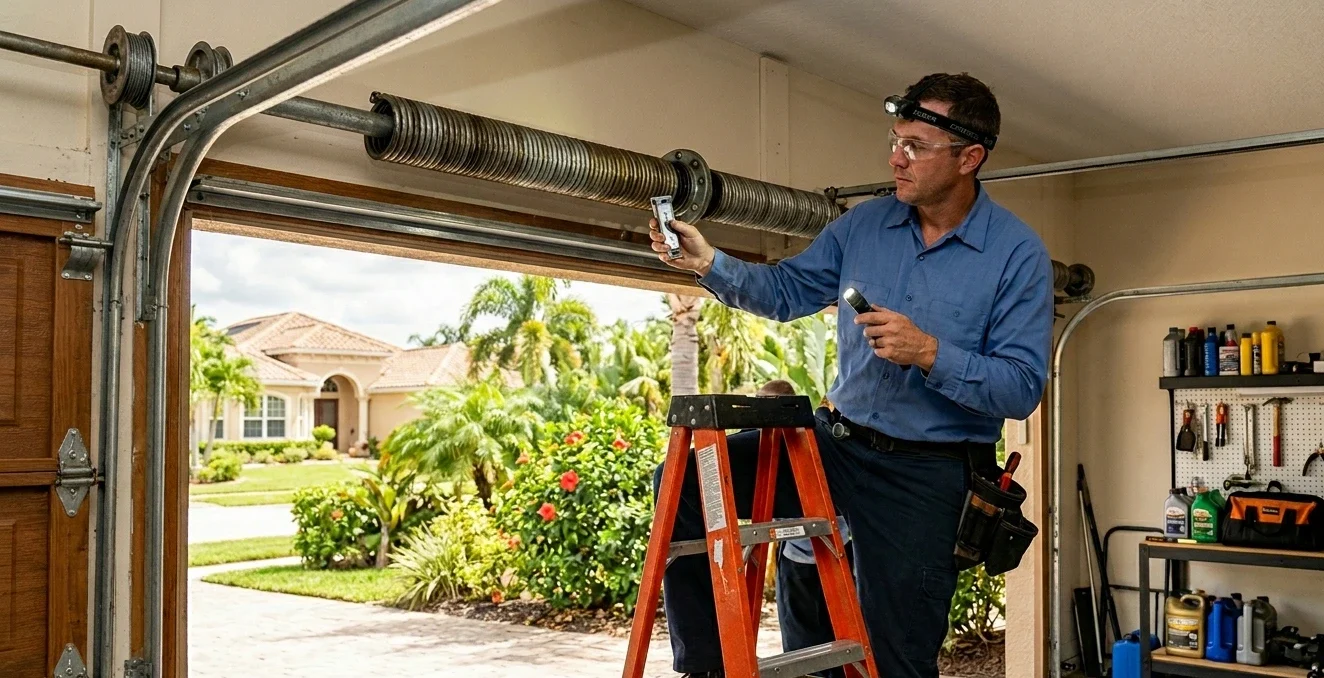
A sudden loud bang from your garage door area almost always indicates a broken spring. Torsion springs and extension springs counterbalance the heavy weight of your garage door, making it possible for the opener to lift hundreds of pounds with minimal effort. When a spring breaks, it releases tremendous stored energy, producing a sound similar to a gunshot.
Broken springs create immediate safety hazards because the door becomes unbalanced and extremely heavy. Attempting to operate a door with a broken spring can damage the opener, bend tracks, or cause the door to fall unexpectedly. If you suspect a broken spring, discontinue use immediately and contact our garage door spring replacement specialists for safe, professional replacement.
Misaligned or Bent Tracks Result in Scraping and Rubbing Noises
The vertical and horizontal tracks guide your garage door through its travel path with precision. When tracks become bent, dented, or misaligned, the rollers cannot move smoothly, producing scraping or rubbing sounds. Track misalignment often occurs after accidental impact from vehicles, lawn equipment, or severe weather events common in Dallas.
Even minor track damage can cause significant operational problems. The door may bind at certain points, travel unevenly, or eventually jump completely off the track. Our technicians use specialized tools to carefully realign or replace damaged tracks, ensuring smooth, quiet operation. For more information about track-related issues, read our guide on what makes garage doors shake violently when operating.
Worn Garage Door Opener Components Create Mechanical Grinding
The garage door opener contains internal gears, chains, belts, and motors that can all produce noise when worn. Chain-drive openers naturally operate louder than belt-drive models, but excessive grinding or humming indicates internal problems. Worn drive gears, failing capacitors, or motor bearings approaching the end of their lifespan all generate distinctive mechanical sounds.
Modern belt-drive openers with DC motors offer dramatically quieter operation compared to older chain-drive models. If your garage door making loud noises originates from the opener unit itself, upgrading to a newer, quieter model might provide the best long-term solution. Our garage door opener repair technicians can diagnose opener-specific issues and recommend appropriate repairs or replacements.
Frayed or Broken Cables Produce Snapping and Twanging Sounds
Garage door cables work in conjunction with springs to lift and lower the door safely. These steel cables endure thousands of tension cycles and gradually develop fraying, rust, or wear. When a cable snaps, it produces a loud twanging sound and immediately compromises door balance.
Cable failures often occur simultaneously with spring problems because both components share the load. Operating a door with damaged cables risks further damage to tracks, panels, and the opener motor. Cable replacement requires specialized knowledge and tools due to the extreme tension involved, making professional service essential for safety.
How Weather in Dallas Contributes to a Garage Door Making Loud Noises
Extreme Heat Dries Lubrication and Expands Metal Components
Dallas summers regularly bring temperatures exceeding 100 degrees Fahrenheit. This intense heat causes lubricants to evaporate or break down much faster than in cooler climates. Without adequate lubrication, metal components rub together directly, producing squeaks, grinds, and squeals.
Additionally, heat causes metal tracks to expand, which can alter the precise tolerances required for smooth roller travel. The expanded tracks may create tight spots where rollers bind and scrape. Our article on how weather affects garage door performance provides detailed guidance on protecting your door from North Texas conditions.
Temperature Swings Stress Springs and Hardware
North Texas experiences dramatic temperature fluctuations, especially during spring and fall. These swings cause metal springs to expand and contract repeatedly, accelerating metal fatigue. Over time, this thermal cycling weakens spring integrity and increases the likelihood of sudden failure.
Similarly, temperature changes affect the tightness of hardware fasteners. Metal expands in heat and contracts in cold, causing bolts and screws to loosen gradually. This explains why rattling noises often seem worse after seasonal transitions.
Storms and Hail Cause Physical Damage
Dallas-area thunderstorms, hail, and high winds can dent tracks, damage panels, and knock sensors out of alignment. Even minor hail damage to track sections can create rough spots that produce scraping sounds during door operation. After severe weather events, homeowners should visually inspect their garage door systems for new damage.
DIY Troubleshooting Steps for a Garage Door Making Loud Noises
Step 1: Perform a Visual Inspection
Begin by disconnecting the opener and manually operating the door to isolate the noise source. Look for obvious signs of damage, including bent tracks, loose bolts, frayed cables, or cracked springs. Additionally, examine the rollers for visible wear, such as flat spots, cracks, or missing bearings.
Step 2: Tighten All Visible Hardware
Use a socket wrench to check and tighten all nuts, bolts, and brackets on the door, tracks, and opener mounting. Pay particular attention to the hinges connecting door panels and the brackets securing the tracks to the wall and ceiling. However, avoid overtightening, which can strip threads or crack components.
Step 3: Apply Appropriate Lubrication
Lubricate all moving parts with a silicone-based garage door lubricant. Focus on the hinges, roller bearings, spring coils, and the opener chain or screw drive. Do not use grease or oil-based products, as these attract dust and create sticky residue. The Clopay garage door maintenance guide offers detailed lubrication instructions for various door types.
Step 4: Test the Door Balance
Disconnect the opener and manually lift the door to the halfway position. A properly balanced door should remain in place without drifting up or down. If the door falls or rises on its own, the springs likely need adjustment or replacement. Spring work requires professional expertise due to the dangerous tension involved.
Step 5: Inspect and Clean the Tracks
Remove debris, dirt, and buildup from the inside surfaces of the vertical and horizontal tracks. Use a damp cloth to wipe away grime, then dry thoroughly. Bent or damaged tracks require professional repair or replacement; attempting to bend them back yourself often worsens the problem.
When to Call a Professional for Your Noisy Garage Door
Safety Concerns Require Expert Handling
Any issue involving springs, cables, or opener electrical components poses significant safety risks. Torsion springs store enough energy to cause serious injury if mishandled. Similarly, garage door openers operate on high-voltage electricity and contain capacitors that retain charge even when unplugged. When your garage door making loud noises involves these components, professional service protects your safety.
Persistent Noise After DIY Efforts
If you have tightened hardware, lubricated moving parts, and cleaned tracks yet the noise persists, the underlying issue likely requires professional diagnosis. Experienced technicians possess specialized tools and knowledge to identify subtle problems that homeowners might miss. For example, a slight track misalignment might be imperceptible to the untrained eye but audible during operation.
Signs of Component Failure
Certain symptoms indicate imminent component failure and demand immediate professional attention. These include visible spring gaps, frayed cables, bent tracks, doors that shake or vibrate excessively, and openers that hum without moving the door. Our guide on what are the signs your garage door is failing provides a comprehensive checklist of warning indicators.
Emergency Situations
If your garage door making loud noises is accompanied by a door that will not open or close, a broken spring, or a door that has come off its tracks, you need emergency service. These situations compromise home security and create safety hazards. Cooper’s Garage Door offers same-day garage door repair in Dallas with rapid response times for urgent situations.
Professional Solutions for a Garage Door Making Loud Noises
Comprehensive System Inspection
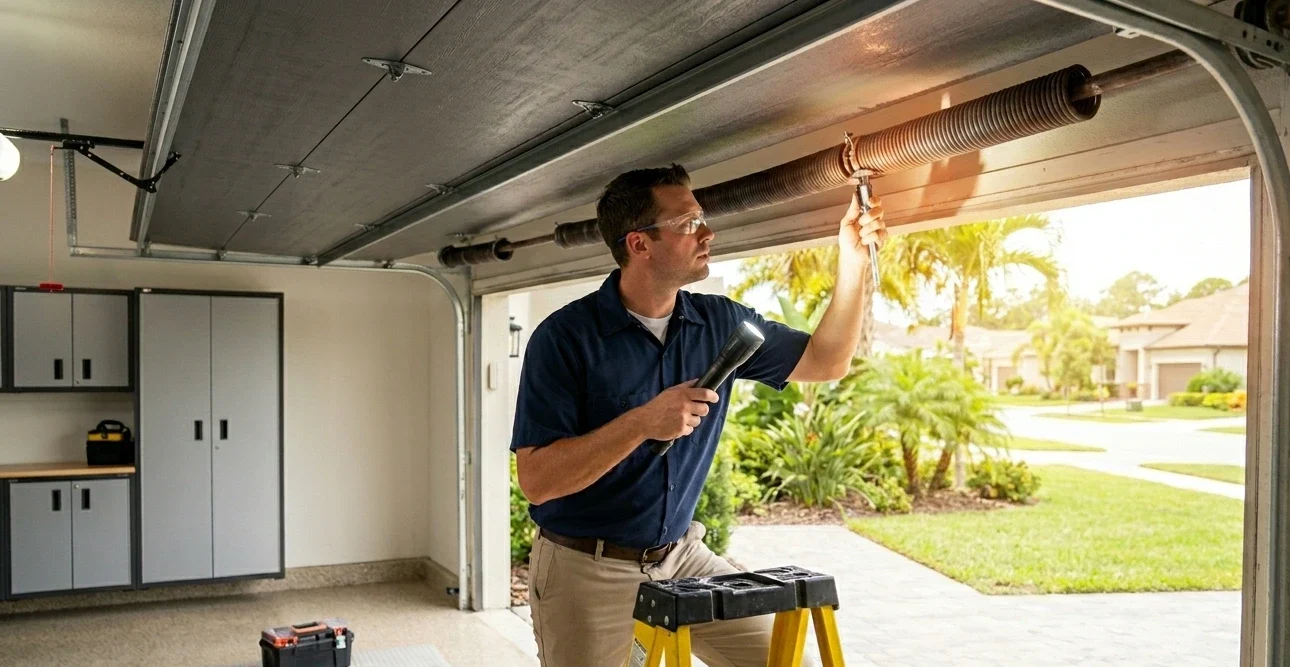
Our certified technicians begin every service call with a thorough inspection of your entire garage door system. We examine spring tension and condition, cable integrity, roller and bearing wear, track alignment, opener performance, and safety system functionality. This holistic approach ensures we identify both obvious problems and underlying issues that might cause future failures.
Precision Component Replacement
When components require replacement, we use high-quality parts that meet or exceed manufacturer specifications. For noisy doors, we often recommend upgrading to nylon rollers with sealed bearings, which dramatically reduce operational noise while extending component life. Similarly, replacing worn hinges, tightening all hardware, and installing high-cycle springs can transform a noisy door into a whisper-quiet system.
Track Realignment and Repair
Our technicians use specialized tools to precisely realign bent or misaligned tracks. In cases where damage is too severe for realignment, we replace track sections to restore proper geometry. Proper track alignment not only eliminates noise but also reduces wear on rollers, hinges, and the opener motor.
Opener Upgrade and Adjustment
For noise originating from the opener, we can adjust force settings, replace worn internal components, or recommend upgrading to a modern belt-drive model. The Consumer Product Safety Commission mandates safety reversal systems on all automatic openers manufactured after 1993; we verify these systems function correctly during every service call.
Preventive Maintenance Programs
The most effective way to prevent a garage door making loud noises is through regular professional maintenance. Our maintenance services include comprehensive inspections, lubrication of all moving parts, hardware tightening, balance testing, and safety system verification. For Dallas homeowners specifically, we recommend annual garage door maintenance to address heat-related wear and seasonal temperature stresses.
Frequently Asked Questions About a Garage Door Making Loud Noises
Why does my garage door make a grinding noise when opening?
Grinding noises typically indicate worn metal rollers, dry hinges, or debris in the tracks. Steel rollers deteriorate over time and create metal-on-metal contact sounds. Additionally, inadequate lubrication causes hinges and bearings to grind rather than glide smoothly. Start by lubricating all moving parts with silicone-based spray; if grinding persists, roller replacement likely becomes necessary.
Is a loud banging sound from my garage door dangerous?
Yes, a loud bang almost always signals a broken spring, which creates an immediate safety hazard. The door becomes extremely heavy and unbalanced, and operating it can cause further damage or personal injury. Discontinue use immediately and contact a professional spring replacement service for safe resolution.
Can I lubricate my garage door myself to stop squeaking?
Absolutely. Homeowners can safely lubricate hinges, roller bearings, and spring coils using silicone-based garage door lubricant. However, avoid using standard oil or grease products, as these attract dust and create sticky buildup. Furthermore, never attempt to lubricate or adjust springs yourself; leave spring maintenance to trained professionals.
Why does my garage door get louder in summer?
Dallas heat accelerates lubricant breakdown and causes metal expansion. As lubricants evaporate, metal components rub together more directly, producing louder noises. Additionally, expanded tracks create tighter clearances that increase friction. Summer maintenance, including reapplication of heat-resistant lubricants, can significantly reduce seasonal noise increases.
How much does it cost to fix a noisy garage door?
Repair costs vary depending on the specific cause and required parts. Simple lubrication and hardware tightening represent minimal investments, while roller replacement, spring replacement, or track repair require more substantial service. We provide free estimates and transparent pricing before beginning any work, so you know exactly what to expect.
How often should I have my garage door serviced to prevent noise?
We recommend professional maintenance annually for standard residential doors. However, doors facing direct afternoon sun or operating multiple times daily benefit from semi-annual service. Texas heat accelerates wear on lubrication and springs; therefore, more frequent attention prevents weather-related failures and keeps your door operating quietly.
Will replacing my garage door opener make it quieter?
If your current opener is an older chain-drive model, upgrading to a modern belt-drive opener with a DC motor can dramatically reduce operational noise. Belt-drive systems eliminate the metal-on-metal contact of chains, while DC motors provide smoother, quieter operation. Our technicians can assess your current opener and recommend the best upgrade options for your needs.
What should I do if my garage door starts making noise suddenly?
Sudden noise changes often indicate acute problems rather than gradual wear. A sudden bang suggests a broken spring. A sudden grinding noise might mean a roller has seized or a bolt has come completely loose. Start with a visual inspection, then call for professional service if you cannot identify and safely resolve the issue yourself. Our article on when to call an emergency garage door technician offers additional guidance.
Conclusion
A garage door making loud noises is your home’s way of asking for attention. Whether the sound manifests as grinding, squealing, rattling, or banging, each noise tells a specific story about the health of your garage door system. By understanding these auditory signals, you can take prompt action to address minor issues before they develop into costly repairs or safety hazards.
For Dallas homeowners, the unique challenges of North Texas weather, including extreme heat, temperature swings, and severe storms, make proactive garage door maintenance especially important. Regular inspections, proper lubrication, and timely professional service keep your door operating quietly, safely, and reliably year after year.
At Cooper’s Garage Door, we have helped thousands of Dallas-area residents resolve noisy garage door problems with fast, professional service. Our certified technicians diagnose issues accurately, recommend honest solutions, and complete repairs using premium parts backed by comprehensive warranties. If your garage door making loud noises has disrupted your peace of mind, do not wait for the problem to worsen.
Contact Cooper’s Garage Door today at 214-722-4436 for a free estimate. We offer same-day service throughout Dallas, Plano, Frisco, Denton, McKinney, Southlake, and surrounding communities. Let us restore the quiet, smooth operation your garage door was designed to deliver.